Counterfactual impact evaluation of POEMA project: results and conclusions
Apr 15 2025The POEMA project - Project for Opposing Early MArriages had as objective that of diminishing the phenomenon of early marriages while promoting gender equality in Xin Man's District.i This project, which ended in March 2024, was the subject of the Master's thesis of Elena Reato, a member of the Board and now Program Officer (Italy) of GTV. In this article we share the main results of her research.
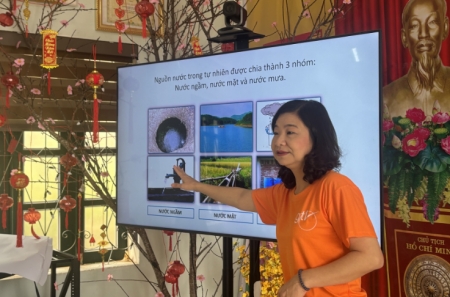
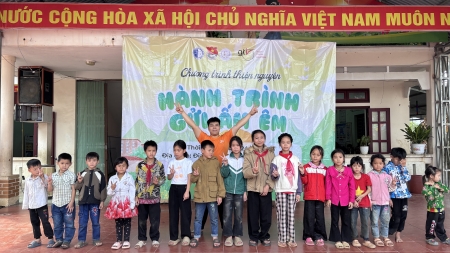
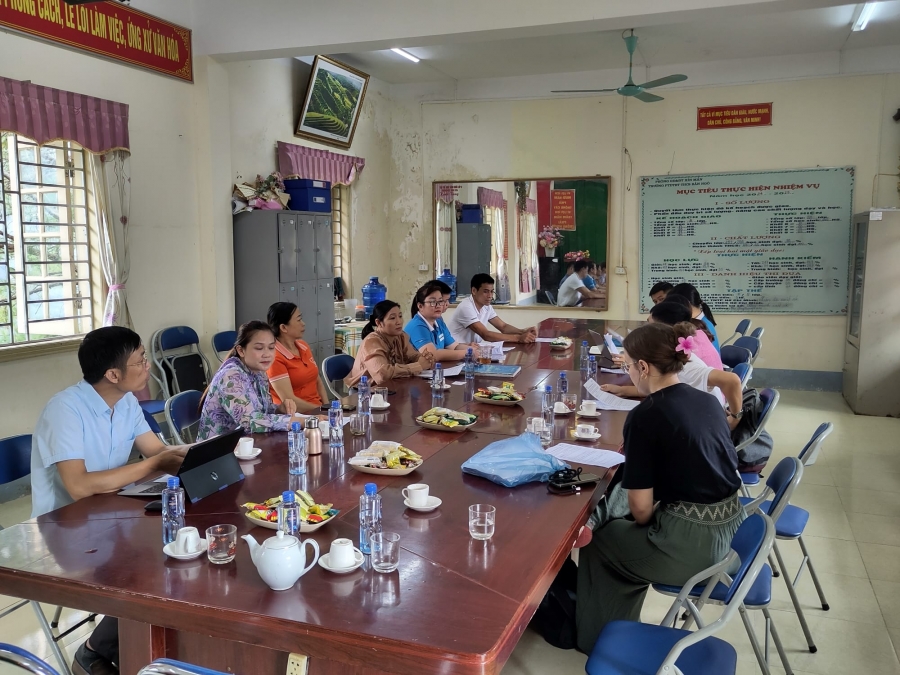
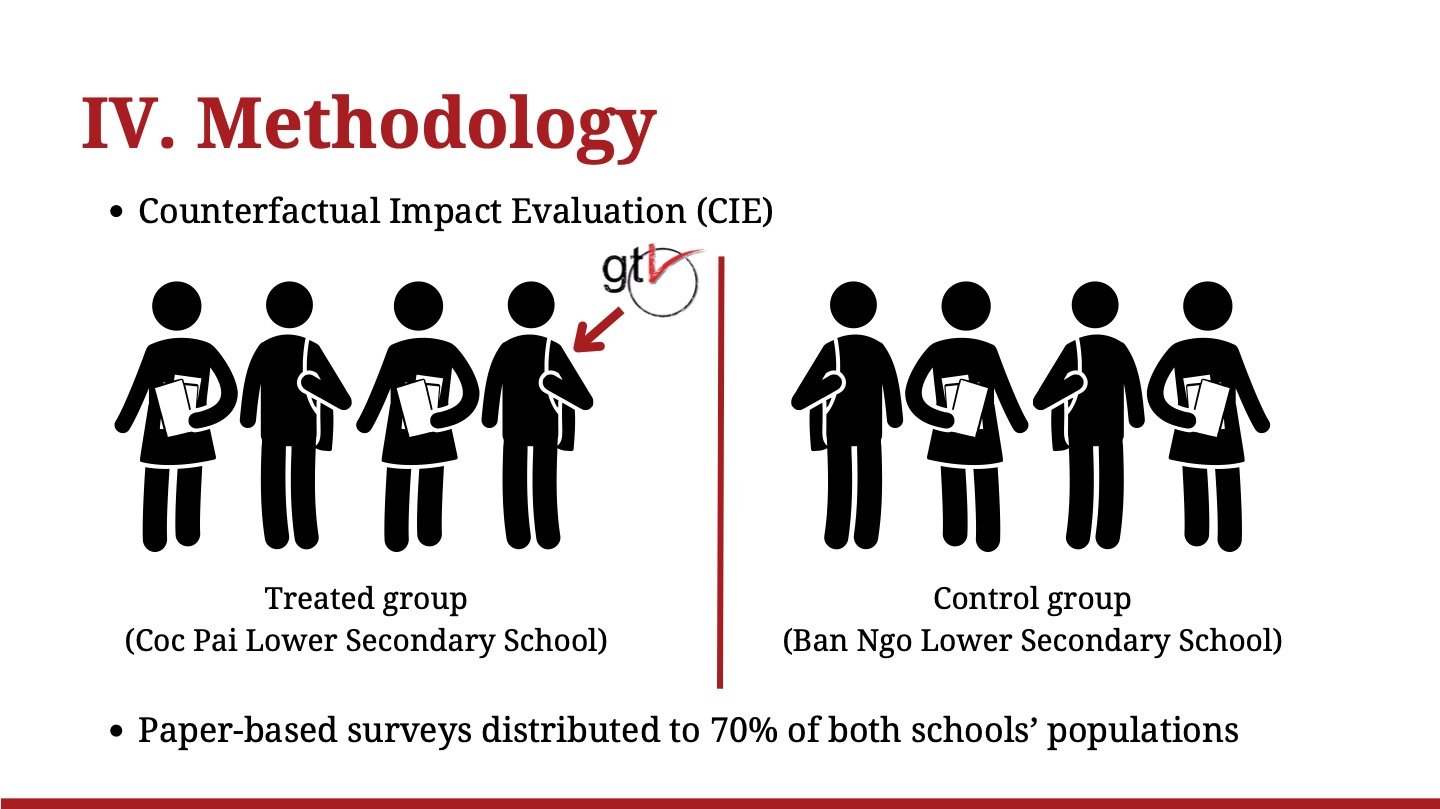
Elena, with the support of the Vietnamese staff of GTV and the local authorities of Xin Man, examined the impacts and potential replicability of the POEMA project during her thesis research conducted in Vietnam. In particular, she focused on the effects that the project had on the boys and girls of the Coc Pai middle school, who participated in an educational campaign on the prevention of early marriage for nine months, received books and materials on this topic, and presented performances at the final events for the entire community. To do this, counterfactual impact evaluation techniques were used, which allow for a high level of methodological rigor. The survey results of the POEMA project participants were compared to those of a control group, identified in the Ban Ngo school.
How effective was the "POEMA" project?
The POEMA project had considerable effects on participants' gender attitudes, while it is not clear what impact it had on beliefs regarding opinions about the ideal age to marry and have children.
To verify the impact on gender attitudes, the boys and girls were asked to express their degree of agreement or disagreement with a series of statements that reflected traditional gender roles. For all these statements, the study found that participants in the POEMA project reported a strong reduction in the probability of agreeing or strongly agreeing with these phrases. Here are some of the most significant data:
- The POEMA project reduced by 74.3% the probability that students agree with the statement "The most important role a woman can have is that of being a good housewife."
- The POEMA project reduced by 86.2% the probability that students agreed with the statement "An husband should earn more than the wife".
- The POEMA project increased by 76.4% the probability that students felt at ease talking about marriage and gender issues regarding their families.
The study highlighted also fundamental aspects to consider, such as the potential of GTV's community approach, which was proved capable of integrating different social spheres, or the necessity of including men and boys in gender interventions in order to challenge traditional power hierarchies between male and female. Finally, it is highlighted the specificity of Hmong ethnicity compared to other minorities, which reveals higher rates of early marriages and pregnancies and a patriarchal culture more present. In this sense, the research suggests to consider this aspect and, in the event that other projects of this type are implemented in the future, efforts should be made to ensure that a large proportion of the beneficiaries are of Hmong ethnicity.
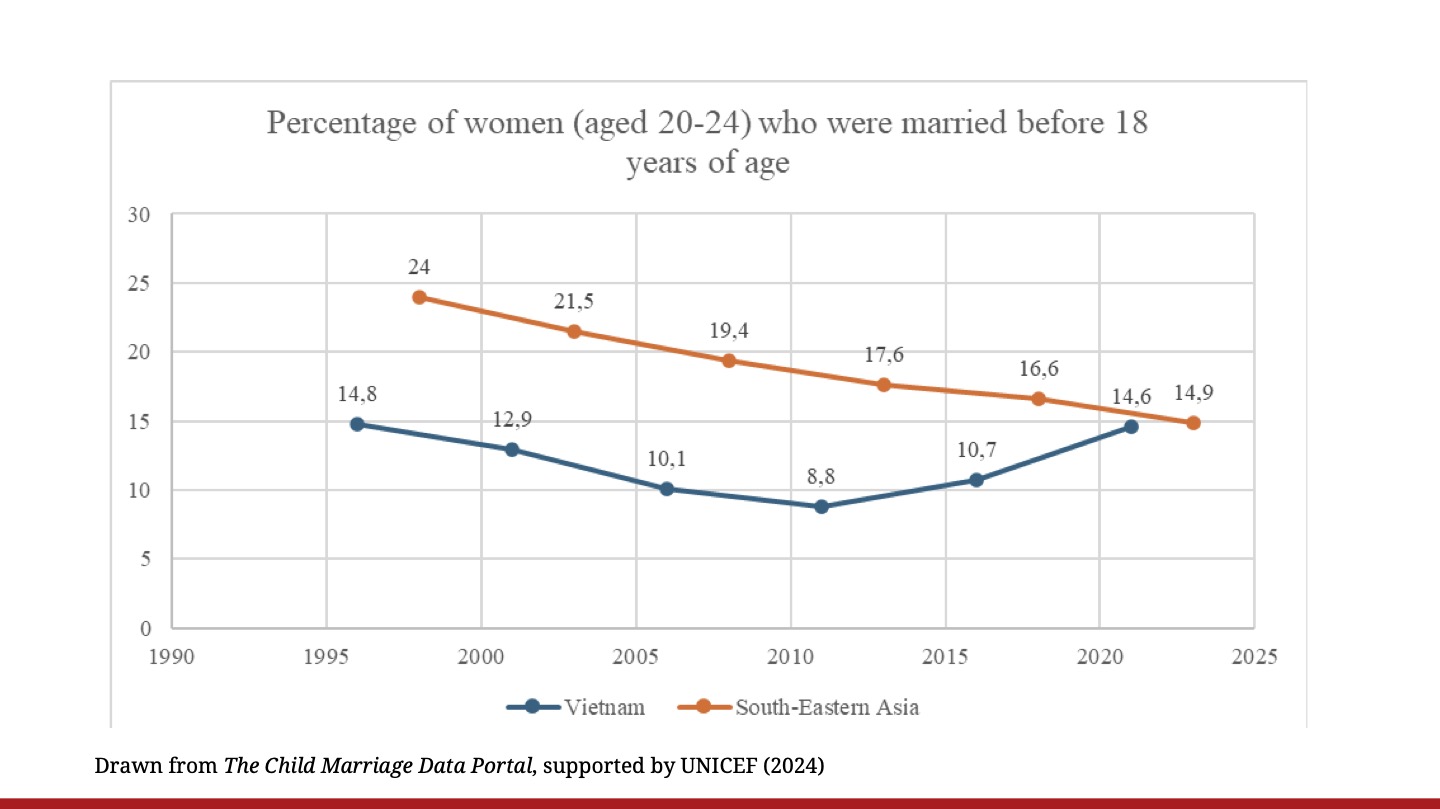
Finally, for what concerns Vietnam in general, the Master's thesis shows how in the country the amount of girls married before 18 is steadily increasing. Notwithstanding the massive economic growth and improvements in other areas concerning gender equality, Vietnam represents an exception to South-East Asia, with a rate in a persistent increase. This practice is more widespread among the ethnic minorities more isolated and vulnerable of the country. It is clear, therefore, the necessity of keeping further interventions, so that Vietnamese boys and girls can continue their educational path while offering them information on the risks regarding early marriages and pregnancies.